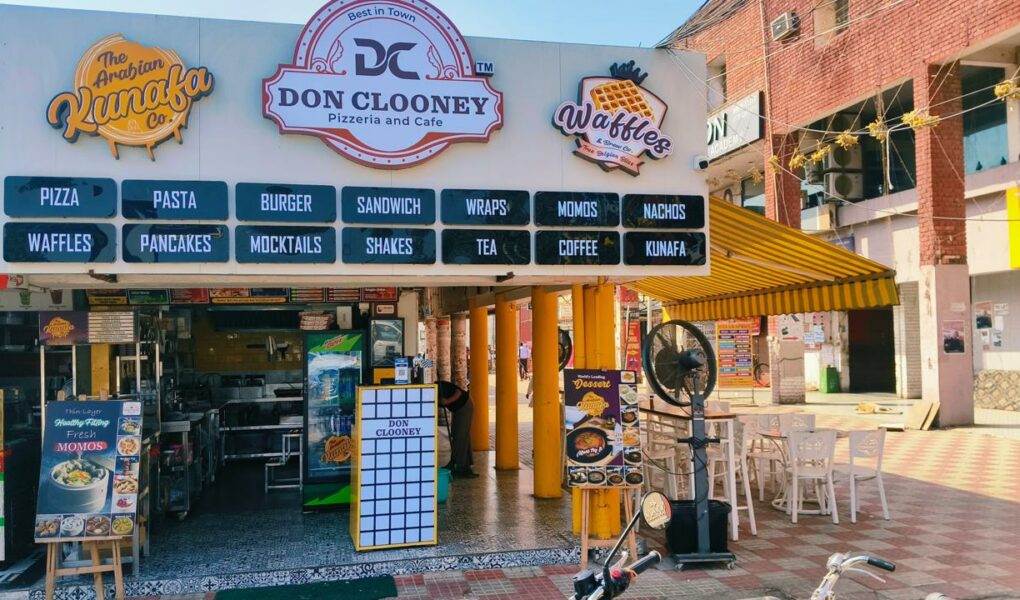
In India’s fast-evolving food and beverage sector, restaurants are no longer competing only on taste or pricing. Consumer choices today are shaped by lifestyle shifts, digital habits, and a growing preference for variety under one roof. Against this backdrop, Don Clooney Pizzeria and Café has quietly positioned itself as a brand that studies these changes closely and responds with a clear, structured approach rather than short-term trends.
Operating in a market crowded with single-cuisine outlets and theme-based cafés, Don Clooney has adopted a broader lens. Its model blends multiple global food influences while keeping the experience accessible to everyday diners. Industry observers note that this approach reflects a deeper understanding of how urban consumers now eat, order, and socialize around food.
A Founder-Led Vision Shaped by Consumer Behaviour
At the center of the brand’s direction is founder Harjinder Singh Chahal, whose background and personal interest in global cuisine informed the café’s early direction. Rather than launching a conventional pizzeria or dessert café, Chahal aimed to build a flexible dining format that could evolve alongside customer expectations.
According to people familiar with the brand’s development, Chahal identified early that modern diners rarely fit into a single profile. Many want indulgent food on some days and lighter café-style meals on others. Some prefer long sit-down conversations, while others rely on quick takeaway or home delivery. Don Clooney’s structure was built to serve all of these use cases without fragmenting the brand identity.
Building a Menu Around Variety, Not Categories
One of the defining features of Don Clooney Pizzeria and Café is its menu design. Instead of being anchored to one culinary tradition, the café draws from Continental, Belgian, Asian, and Arabian influences. This mix is not positioned as novelty but as a response to changing taste preferences, particularly among younger urban consumers who are comfortable switching cuisines within a single meal.
Artisanal pizzas with globally inspired toppings sit alongside Asian-style momos, while Belgian waffles and pancakes share space with traditional Arabian desserts like Kunafa. The intent, according to internal sources, is to keep flavours familiar yet layered, offering enough experimentation without alienating conservative diners.
Responding to the Rise of the Bold Palate
Food analysts point to a growing “bold palate” trend, where customers actively seek complex flavours and cross-cultural combinations. Don Clooney’s menu reflects this shift through the way dishes are curated rather than through aggressive fusion experiments.
Pizzas remain the core offering but are treated as a base for varied global influences. Asian comfort items are adapted to café dining, while desserts balance visual appeal with traditional flavour profiles. This approach allows the brand to appeal to both first-time visitors and repeat customers looking for consistency with mild variation.
Neo-Continental Dining Gains Ground
Another noticeable aspect of the café’s positioning is its take on what industry insiders describe as the neo-continental wave. Traditional European-style café food has been reworked to suit modern Indian dining habits, with lighter textures, flexible portion sizes, and all-day relevance.
Continental dishes at Don Clooney are designed to fit multiple occasions, from casual meetings to family outings. This adaptability is increasingly important as cafés shift from being niche hangouts to multipurpose social spaces.
Social Media Influence Without Overdependence
While many food brands design menus primarily for online visibility, Don Clooney appears to take a more measured approach. Visually appealing items like Belgian waffles, pancakes, and Italian-style Bombolinis are clearly crafted to photograph well, but they are not treated as standalone gimmicks.
Industry observers say this balance helps the café maintain credibility among offline diners while still remaining visible on digital platforms. In an age where online discoverability matters, the brand seems cautious not to let presentation override taste or repeat value.
Standing Apart Through an Outlier Model
The café’s decision to combine multiple cuisines under one brand places it outside the typical café or quick-service category. This outlier model carries risks, particularly around operational complexity, but it also allows Don Clooney to avoid direct competition with narrowly focused outlets.
By not aligning strictly with one cuisine trend, the brand has more room to adapt as consumer preferences shift. Analysts suggest this flexibility could support scalability if consistency is maintained across locations.
Catering to Speed and Comfort Simultaneously
Modern dining is increasingly split between speed and comfort, and Don Clooney attempts to serve both. Quick-service options cater to customers seeking efficient meals, while the café environment is designed for longer visits and social interaction.
The brand has also aligned itself with the growing culture of home ordering. Comfort-focused items such as pizzas and desserts translate well to delivery formats, helping the café stay relevant beyond physical footfall.
Leadership Beyond the Kitchen
Beyond the founder’s role, the brand’s day-to-day execution is supported by co-founders Aman Singla and Aishwarya Rastogi. Their focus, according to company sources, has been on building systems around service consistency, ambience, and customer engagement.
This operational emphasis is increasingly important in an industry where brand experience often matters as much as food quality. The café’s interiors and service style are designed to remain neutral yet welcoming, allowing the food to stay at the center of attention.
A Case Study in Reading the Market
As India’s café and casual dining segment continues to expand, Don Clooney Pizzeria and Café offers an example of how consumer insight can guide brand building. Rather than chasing short-lived food trends, the brand appears to rely on observation of long-term behavioural shifts.
For industry watchers, the café’s journey underscores a broader point. In a competitive market, understanding how people eat, order, share, and spend time around food may matter more than sticking to a single culinary label. Whether Don Clooney’s model will scale nationally remains to be seen, but its current positioning reflects a deliberate attempt to stay aligned with how modern consumers live and dine.