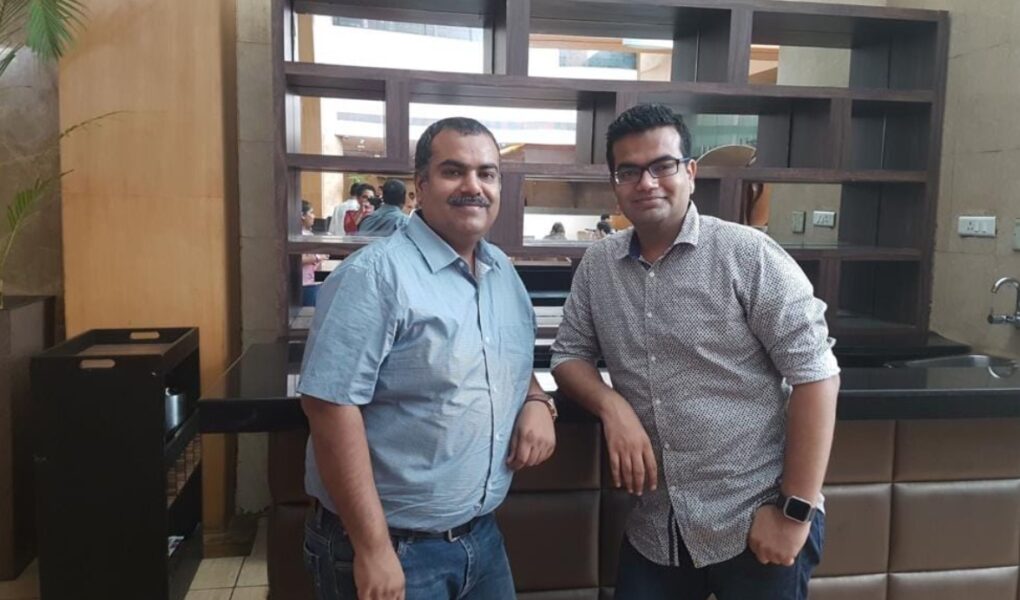
In a country where thousands of government tenders are floated every day but the process remains cumbersome and opaque, Minaions is emerging as a game-changer. Founded by two technology-savvy Indians — Ashish Mittal and Vivek Mittal — the startup aims to transform how India bids on public projects by bringing end-to-end AI-powered automation to the tendering lifecycle.
Ashish and Vivek launched Minaions in Mid 2025 with a simple but powerful idea: tendering should be accessible and efficient, not a paperwork nightmare. Both had prior experience building software solutions through their earlier venture Yugasa Software Labs Pvt Ltd, which gave them firsthand exposure to the inefficiencies and frustrations businesses face while dealing with government procurement. 
At its core, Minaions is built for companies, especially small and medium enterprises (MSMEs), that lack the bandwidth or expertise to navigate the labyrinth of RFPs, compliance documents, and submission formalities. The platform scans multiple government e-procurement portals, matches open tenders to a company’s profile and offerings, and flags only those that are relevant. This significantly reduces the time and effort spent in tender discovery. 
But Minaions does not stop at discovery. What sets it apart is its AI-driven tender automation pipeline. Once a relevant tender is identified, the platform analyses the RFP, even if it is in regional languages or in complex scanned PDF formats, extracts eligibility criteria, timelines, and document requirements, and cross-checks them with a user’s credentials. It then auto-generates compliant bid documents, including cover letters, declarations, technical and financial proposals. For users, this means a task that used to take days can now be done in under 30 minutes. 
A remarkable innovation by Minaions is the dynamic, tender-specific AI chatbot. As soon as a tender’s NIT or RFP is loaded, the AI trains itself to understand that document and lets users interact with it as if conversing with a human expert. Users can ask questions like “Do we meet the qualification criteria?” or “Is past project experience mandatory?” and receive instant, contextually accurate answers. This feature dramatically enhances clarity, reduces interpretation errors, and helps teams respond faster and more confidently. 
The platform’s design, especially its “multi-company dashboard” reflects a deep understanding of how tendering actually works in India. Many users are consultants, agencies, or companies with multiple subsidiaries. Minaions lets them manage several entities under a single login. That means no juggling between spreadsheets, logins, or overlapping paperwork. 
Vivek often points out that the core value in tender automation lies not in alerting users, because tender notices are already public, but in enabling them to act on that information efficiently. Minaions believes in transparent pricing: basic tender search is free, users get a fixed number of eligibility checks for free each month, and premium bid-preparation or EMD-support services are pay-per-use. 
Since its launch in August 2025, Minaions has already onboarded 400+ of MSMEs across India. The early traction shows that many small businesses, previously sidelined by complex compliance demands and high consultancy fees, are embracing the platform as a means to participate in public procurement confidently for the first time. 
What Ashish and Vivek have created is more than a SaaS product. It could be the seed of a broader shift in India’s procurement culture — one where access is democratized, efficiency is boosted, and small enterprises get a fair shot at public contracts. If this vision scales, Minaions might not just automate how India bids; it could redefine who gets to bid.
As government procurement expands and digital governance deepens, Minaions stands ready as a home-grown AI solution to simplify and democratize one of India’s most opportunity-rich yet under-utilized markets. The future of public bidding might not be manual forms and late nights but intelligent automation, transparent access, and a level playing field.