Published on: December 3, 2025
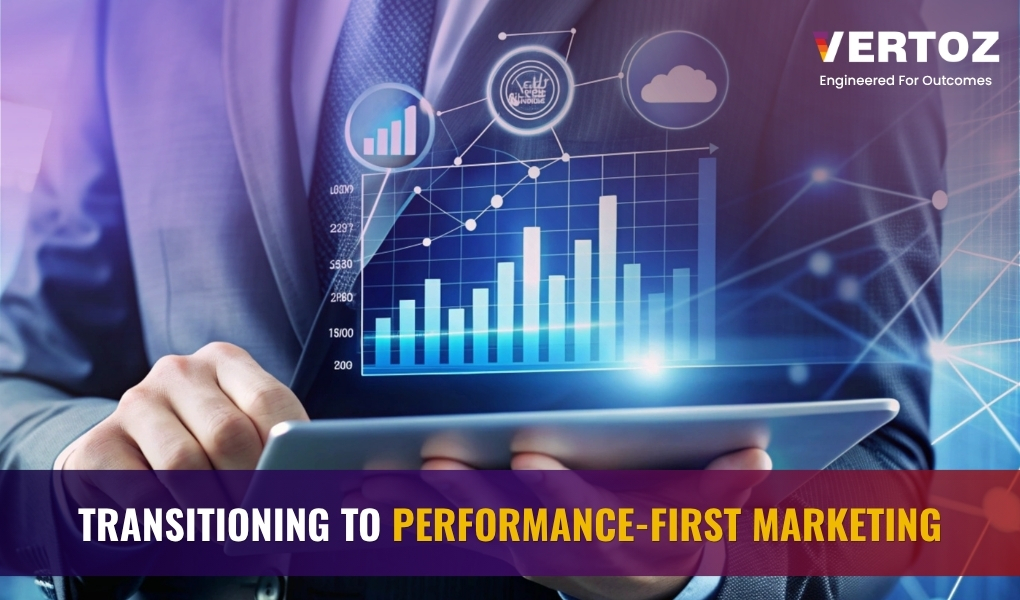
The year-end scramble is usually about burning through remaining budgets. But as we close out 2025, the vibe is different. Marketers are exhausted by the “platform chase.” We’ve spent years jumping from one new shiny object to another—TikTok, CTV, Retail Media—only to realize that the platform doesn’t matter if the math doesn’t add up. In 2026, the strategy is shifting from being “Platform-First” to being performance-first marketing. If your stack isn’t engineered for outcomes, you’re just busy, not profitable.
The Problem with Platform Loyalty
For a long time, we built strategies around where we wanted to be. “We need to be on LinkedIn,” or “We need a presence on Instagram.” While presence is nice, it’s a vanity metric. If you’re optimizing for the platform’s rules instead of your own business goals, you’re essentially working for the platform, not yourself.
Performance-first marketing flips that script. It starts with the objective—be it a sale, a sign-up, or a high-value lead—and works backward. It doesn’t care which app the user is on. It only cares about the path of least resistance to a result. This is the core philosophy behind “Engineered for Outcomes” at Vertoz, where every channel decision starts with the business objective and works backward from measurable impact. It’s about being agnostic to the medium and obsessed with the impact.
Why 2026 is the Year of the Result
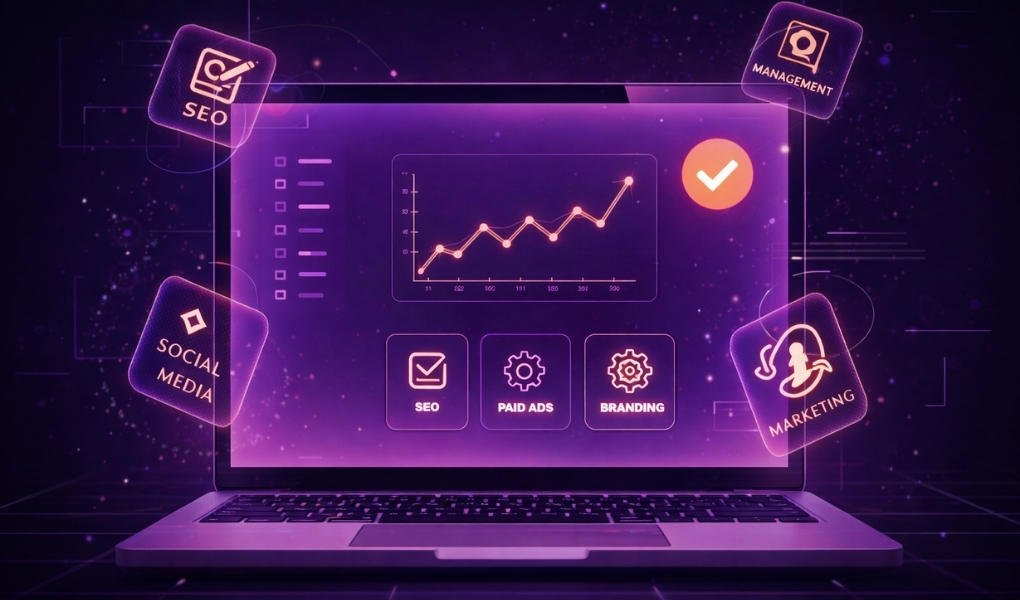
Why is this happening now? Because the cost of being “average” has skyrocketed. Customer Acquisition Costs (CAC) in 2025 have been volatile, and the only way to protect your margins is to stop wasting impressions on people who will never convert.
- Algorithmic Overload: AI now optimizes faster than humans can think. If you aren’t feeding it the right “performance” signals, it will just spend your money faster, not better.
- Retention is the New Growth: It’s cheaper to keep a customer than to find a new one. Performance-first marketing bridges the gap between the first click and the long-term relationship.
- Fragmented Attention: Users are moving between screens in seconds. You need a strategy that follows the intent, not just the device.
Rebuilding the Strategy
Moving to a performance-first marketing mindset requires a bit of an “ego death” for some marketers. It means admitting that a high-engagement post on social might actually be a failure if it didn’t drive a business outcome.
Many leading players—including those observing the technological shifts led by innovators like Vertoz—are rebuilding their 2026 plans around incrementality. They want to know: “If I didn’t show this ad, would the sale have happened anyway?” If the answer is yes, they cut the spend. This level of honesty is what it takes to be engineered for outcomes. It’s about demanding that every line item in your budget can justify its existence with a hard number.
The Human Element in an Automated World
As we lean into 2026, automation will do the heavy lifting, but human strategy will provide the direction. Performance-first marketing isn’t about letting a machine run your brand; it’s about giving the machine the right goals.
You have to be the architect. You define the “outcome” that matters, and the tech—when it’s truly engineered for outcomes—finds the most efficient way to get there. This frees up your team to focus on the things AI still struggles with: storytelling, creative resonance, and long-term brand building.
Conclusion
2026 isn’t going to be about the next “big thing” in AdTech. It’s going to be about the “right thing.” It’s a return to the fundamentals of business—spending a dollar to make two.
The move toward performance-first marketing is a sign of a maturing industry. We’re done with the hype. We’re done with the platform-worship. We’re here to work. Whether you’re pivoting your internal strategy or partnering with a performance-driven team like Vertoz to sharpen your execution, the goal for 2026 is simple: Stop chasing trends. Start driving results. Make sure every move you make is engineered for outcomes.