Published on: September 28, 2026
When car owners start looking for the best PPF brand in India, the first instinct is often to compare brand names, prices and warranty periods.
But choosing the right Paint Protection Film (PPF) is not quite that simple.
PPF is a long-term investment in your car’s exterior, and two films can look similar while offering very different levels of protection, clarity, durability and finish. The technology behind the film, the materials used, its thickness, topcoat, installation quality and after-sales support can all influence the ownership experience.
So, instead of asking only which brand is the best, it is worth asking a more useful question: what makes a PPF worth buying in the first place?
Material Technology Comes First
The material used in a PPF is one of the biggest factors determining how it performs.
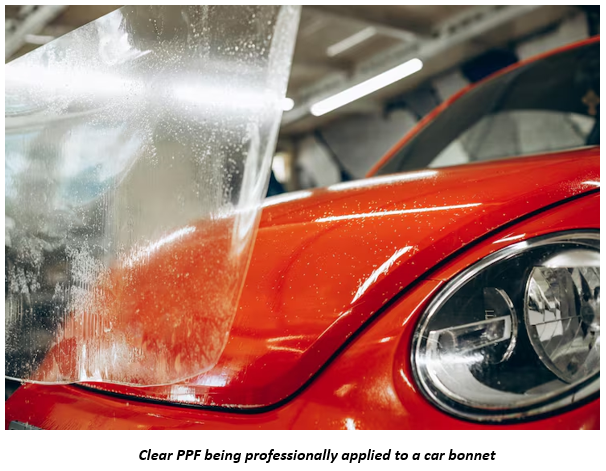
Traditional PPFs have largely relied on Thermoplastic Polyurethane (TPU), valued for its flexibility, elasticity and self-healing capabilities. However, newer formulations are combining different materials to improve impact resistance without compromising flexibility or optical clarity.
Aegis, for instance, uses a Polycarbonate + TPU construction in its XG Series. Polycarbonate contributes toughness and impact resistance, while TPU provides flexibility and self-healing characteristics. This illustrates why looking at the underlying material technology can tell you more than the logo printed on the packaging.
Thickness Matters, But Thicker Isn’t Automatically Better
PPF thickness is another specification buyers frequently compare.
A thicker film can provide additional material between the paint and external impacts, but thickness alone does not determine performance. The composition of the film, flexibility, adhesive layer and topcoat all contribute to how effectively it performs on a vehicle.
For example, the Aegis XG Series includes variants ranging from 225 microns to 400 microns. The broader point for buyers is to understand what the additional thickness is achieving, rather than choosing a film simply because it has the highest micron count.
Look Beyond Scratch Protection
A good PPF Coating needs to deal with more than scratches.
Indian driving conditions can expose a vehicle to stone chips, road debris, dust, intense sunlight, bird droppings, tree sap and other contaminants. This means buyers should evaluate a film across several parameters, including impact resistance, UV resistance, chemical resistance, hydrophobicity and self-healing.
Self-healing, for example, can help minor scratches and swirl marks disappear with heat, while UV protection helps maintain the appearance of both the film and the paint underneath. These features can make a significant difference to how the film looks after years of use.
Clarity and Finish Are Just as Important
Protection should not come at the cost of appearance.
A high-quality PPF should preserve the colour and character of the original paint while maintaining good optical clarity. Poor-quality or ageing films can become visibly dull or yellow, defeating one of the primary reasons for protecting the car in the first place.
This is particularly important for owners of premium or dark-coloured cars, where imperfections in clarity, gloss or installation can become more noticeable.
Modern PPF has also moved beyond conventional clear films. Depending on the brand and range, buyers can find matte finishes and coloured PPF that combine paint protection with a change in appearance. Aegis, for example, offers Clear, Matt and Prism options alongside its XG Series.
Installation Can Make or Break the Investment
Even the most advanced film cannot perform properly if it is poorly installed.
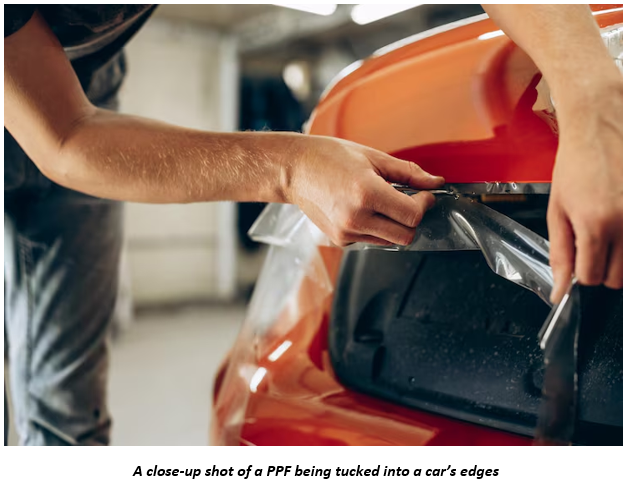
PPF installation requires accurate positioning, controlled stretching, careful edge finishing and proper surface preparation. Wrinkles, bubbles, lifted edges or poorly tucked sections can affect both appearance and durability.
This is why the installer should be considered almost as carefully as the film itself. A reputable installation network with trained professionals can make the difference between a PPF that looks almost invisible and one that constantly reminds you it is there.
Professional installation also matters when it comes to documenting the product, warranty and vehicle condition.
Warranty and After-Sales Support Matter
A PPF purchase does not end when the film is installed.
Before choosing a brand, check what its warranty actually covers, how claims are handled and whether support is available if you move to another city. A long warranty may sound impressive, but the terms and exclusions are what really matter.
Buyers should also look for digitally registered installations, clear product specifications and an established service network. These factors provide greater confidence that support will remain accessible throughout the ownership period.
So, What Should You Look for in the Best PPF Brand?
The best PPF brand should not be selected purely on name recognition or price.
Instead, evaluate the complete package: material technology, thickness, impact resistance, self-healing, optical clarity, UV and chemical resistance, finish options, installation expertise, warranty and after-sales support.
A brand that performs well across these areas offers more than just a film. It offers a complete approach to protecting the vehicle’s original finish.
For car owners exploring premium paint protection film, buyers can evaluate the technology behind the brand rather than simply choosing a name.
Ultimately, the right PPF is the one whose technology, protection, installation and support match the way you use your car. Because when you are investing in paint protection, the brand name is only the beginning of the decision.